Last week, I told you I reread my old blog posts, all the way back to 2006. What I didn’t tell you is that I didn’t do it alone.
I’ve been blogging for twenty years. That’s hundreds of posts across a handful of blogs, a podcast, a YouTube channel and more usernames than I’d like to admit. When I finally brought most of them home to this site, I realised I had no idea what was actually in there. And some of it was already live.
So I did what a company would do before a big launch. I got someone to go through the archive like a PR officer would. Except my PR officer was AI.
What I asked it to look for
I didn’t ask it to make me look perfect. I told it plainly: “I don’t mind my kids reading about what was true for me at the time.” I think that’s the point of an archive (with the exemption that the posts you published are maintained with everyone’s safety in mind).
What I wanted flagged were the things a careful PR person would quietly pull you aside about:
- Other people’s private lives. Family stories that weren’t only mine to tell. People who could be recognised and never chose to be written about.
- Language I wouldn’t use now. Not the occasional “damn”. The strong stuff, used not-so-sparingly.
- Things that could read badly to a client. Posts where I called myself a flake, or worried that an employer would find them.
- Accidental leaks. One old reader comment, imported along with a post, still showed the commenter’s email address. I’d never have spotted that on my own.
- Copies elsewhere. A post hidden on my site can still live on as a podcast episode, a video or a post on an old blog.
What it did well
It read everything. Every post, start to finish, with the same rules each time. I would have skimmed. I would have gotten tired around 2012 and started saying “eh, it’s fine.”
It explained each flag. Not just “this one is risky”, but why: the exact line, who it was about, and a suggestion. Soften the words. Trim one paragraph. Hide it. Or keep it, if I’m at peace with it.
It found the copies. For every flagged post, it checked whether the same story was still out there as a podcast episode, a YouTube video or an old WordPress post, and whether that copy was still public. That was the part I would never have done by hand.
It sorted, without judging. I asked it to tag the posts that are simply personal: diary entries, birthday posts, little updates. They don’t build my brand, but they do show I’m human. They’re not bad. They’re just a different kind of post, and now I can decide about them later.
What it didn’t do
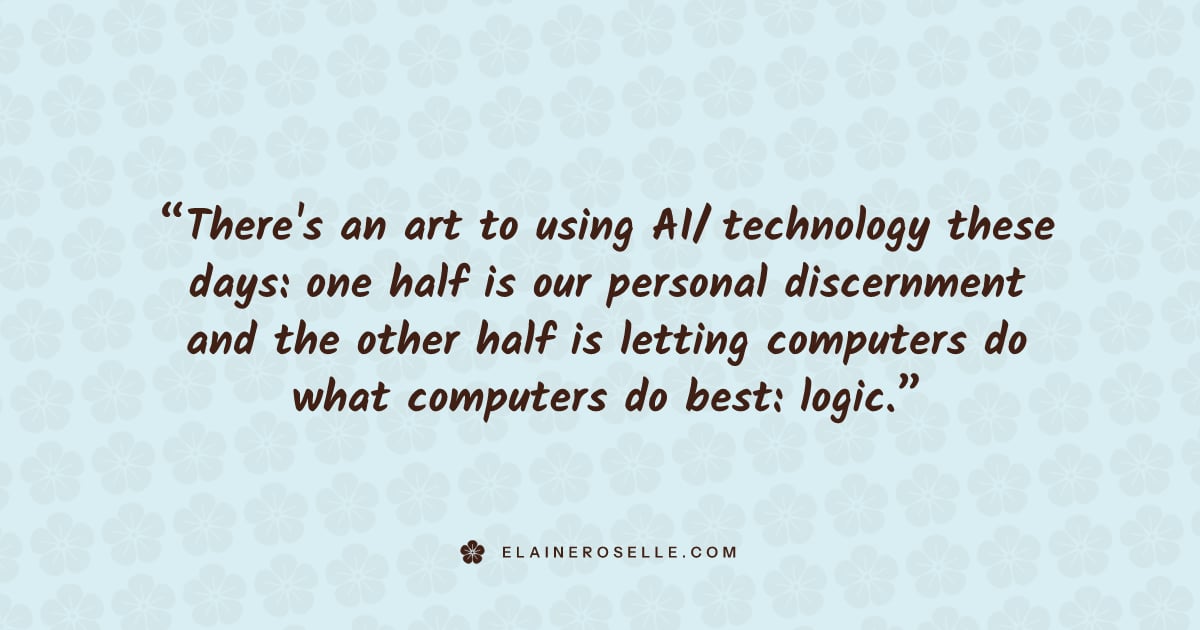
It didn’t decide everything for me. I think there’s an art to using AI/ technology these days in that there’s the half of it, which is our personal discernment, and the other half, which is letting the computers do what computers do best: logic.
A PR officer advises. The person whose name is on it decides. AI can tell you that a post shares a family story that isn’t only yours to tell. It can’t tell you whether you’ve made peace with that story, or whether your siblings would mind. Only you know that.
So instead of deleting anything, we hid the flagged posts as drafts while I review them one by one. Nothing is lost. Some will come back exactly as they were. Some will come back softened. A few might stay in the drawer.
If you want to do this too
You don’t need to be a developer. Here’s the simple version:
- Gather everything in one place. Export your old blogs (WordPress, Blogger and most platforms let you download everything). List your podcast episodes and videos too.
- Write down your own rules first. What are you fine with? What would make you wince if a client, a child or your mom read it?
- Ask for flags with reasons, not verdicts. “Flag anything that shares someone else’s private details, and tell me why” works better than “Is this bad?”
- Hide first, decide later. Drafts, private videos, unpublished episodes. All of these can be undone. Deleting can’t.
- Chase the copies. Your site is only one of the places your words live.
- Make the calls yourself, slowly. A few posts a day is plenty.
And one honest caution: when you do this, the AI reads everything, including the private parts. Use a tool you trust, and don’t paste in other people’s private details if you can avoid it.
Why I’m glad I did it
I expected to feel embarrassed. Some of it was embarrassing, to be honest.
But mostly, I felt protective of the people I wrote about. Of the clients I serve now. And, oddly, of younger me, who deserved someone looking out for her words a little sooner.
Twenty years of writing is a lot to carry. It feels much lighter now.
This post was created from my own notes and drafted with the help of AI. It is carefully edited to fit my own voice.